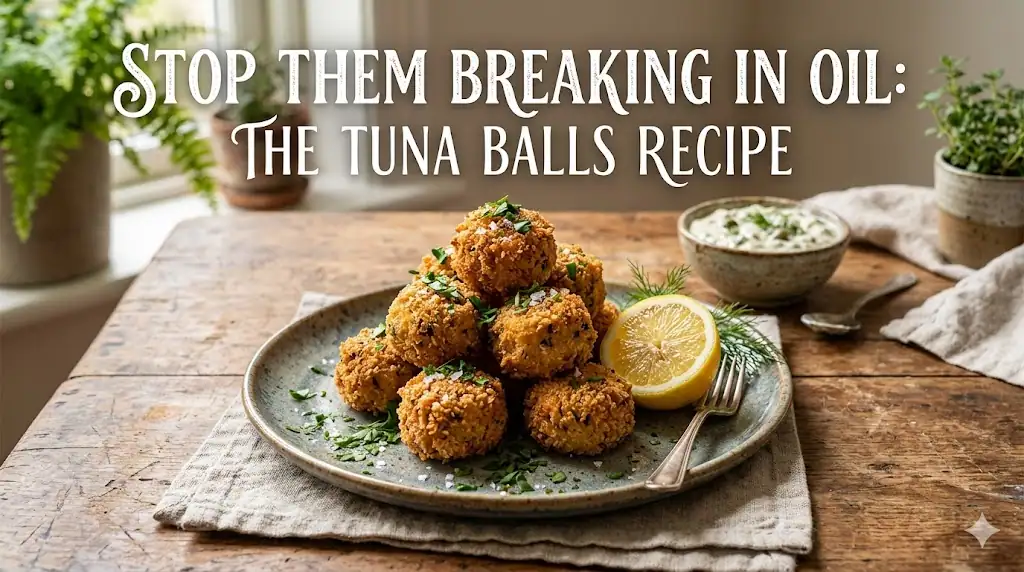
There is nothing quite like the comforting hum of a busy kitchen, especially when a sudden savory craving strikes. We all know that feeling—wanting something crispy and satisfying without spending hours over a hot stove. Cooking at home should be a joyful release, turning simple pantry staples into something genuinely delicious for you and your family to enjoy.
Yet, transforming a humble can of fish into golden treats often ends in frustration. We have all dropped a beautifully shaped patty into the skillet, only to watch it crumble into a messy hash. Fear not! I am going to show you exactly how to bind these bites so they fry up beautifully, holding their shape and delivering the perfect crunch every single time.
Prep & Cook Time
Knowing your timeline is the first step to stress-free cooking. Here is what you are looking at for this quick and easy recipe:
- Prep Time: 15 minutes (plus 15 minutes of optional but highly recommended chill time)
- Cook Time: 10 minutes
- Total Time: 40 minutes
- Servings: 4 (Makes roughly 12 to 16 bite-sized balls)
What Equipment Do You Need?
You do not need a fancy, Michelin-star kitchen to pull this off. Grab these basic tools:
- A medium mixing bowl
- A fork (for flaking the fish)
- Measuring cups and spoons
- A large, heavy-bottomed skillet (cast iron or stainless steel works great)
- A slotted spoon or tongs
- A plate lined with paper towels (for draining excess oil)
Ingredients
The secret to meatballs that hold together is getting the ratios right. Here is exactly what you need:
- 2 cans (5 oz each) chunk light or albacore tuna in water, thoroughly drained
- 1/2 cup Panko breadcrumbs (plus a little extra if the mix feels wet)
- 1 large egg
- 2 tbsp real mayonnaise
- 1 tsp Dijon mustard
- 2 tbsp fresh parsley, finely chopped
- 1/2 tsp garlic powder
- 1/2 tsp onion powder
- 1/4 tsp kosher salt
- 1/4 tsp black pepper
- 1/2 cup cooking oil (use a neutral oil with a high smoke point like canola, vegetable, or light olive oil)
Why Each Ingredient Matters
As a chef, I always tell home cooks that understanding why you use an ingredient makes you a better cook.
- The Tuna: This is your base protein. Using tuna packed in water rather than oil gives you complete control over the fat content and moisture levels.
- The Egg & Mayonnaise: These are your primary binders. The egg proteins coagulate when heated, literally locking the ingredients together. The mayonnaise adds a touch of fat to keep the inside tender and moist so they do not dry out in the pan.
- Panko Breadcrumbs: Panko acts like a sponge. It absorbs the excess moisture from the fish, preventing the dreaded “mushy” texture that causes patties to fall apart in hot oil.
- Dijon & Spices: Tuna can be bland on its own. The mustard adds a sharp, tangy bite that balances the richness, while garlic and onion powders bring an essential savory depth.
Step-by-Step Instructions
Step 1: Drain and Flake the Tuna
Open your cans of tuna and drain the water completely. Squeeze the lids down hard to press out as much liquid as possible—excess water is the number one reason tuna balls break apart! Transfer the dry tuna to your mixing bowl and use a fork to flake it apart until there are no large chunks left.
Step 2: Mix the Binders and Seasonings
In a small separate bowl, crack your large egg and whisk it together with the mayonnaise, Dijon mustard, parsley, garlic powder, onion powder, salt, and pepper. Mixing your wet ingredients and spices first ensures that the flavors will be evenly distributed throughout the fish.
Step 3: Combine and Fold
Pour the wet egg mixture over your flaked tuna. Sprinkle the Panko breadcrumbs evenly over the top. Gently fold everything together with a fork or spatula. Stop as soon as the mixture is cohesive. Don’t worry if the batter looks a bit lumpy—overmixing is the enemy of a tender crumb! If the mixture feels excessively wet, add another tablespoon of breadcrumbs.
Step 4: Shape and Chill the Balls
Using your hands or a small cookie scoop, roll the mixture into ping-pong-sized balls, packing them firmly so they hold together. Place them on a plate. Here is the chef secret: pop that plate in the fridge for 15 minutes. Chilling allows the breadcrumbs to hydrate fully and firms up the fat, cementing the balls together before they hit the heat.
Step 5: Heat the Oil Safely
Place your skillet over medium heat and pour in the cooking oil. You want enough to coat the bottom by about a quarter of an inch. Let the oil get hot but not smoking (around 350 degrees Fahrenheit if you have a thermometer). Kitchen Safety Warning: Always ensure your hands and utensils are completely dry before working with hot oil to prevent dangerous splattering.
Step 6: Fry to Golden Perfection
Carefully lower the tuna balls into the hot oil using a slotted spoon or tongs. Do not crowd the pan; fry them in batches if necessary. Let them cook undisturbed for about 2 minutes on the first side so a crust can form. Gently turn them and fry until deeply golden brown and crispy all over (about 5-6 minutes total). Transfer to a paper towel-lined plate to drain.
Health Benefits
As a nutritionist, I absolutely love this recipe. Canned tuna is an incredible, budget-friendly source of lean protein, which is essential for muscle repair and keeping you full throughout the day. It is also packed with omega-3 fatty acids, which support heart and brain health. By shallow frying instead of deep frying, we keep the added fats manageable while still achieving that restaurant-quality crunch.
Nutrition Information (Per Serving)
(Note: These values are estimates based on standard ingredient brands and shallow frying).
- Calories: 210 kcal
- Protein: 16g
- Fat: 12g
- Carbs: 8g
Pro Tips & Variations
- The Squeeze Test: If you squeeze a handful of the raw mixture and it crumbles immediately, it is too dry. Add a tiny splash of milk or extra mayo. If liquid drips out, it is too wet. Add more Panko.
- Air Fryer Variation: Want to skip the oil entirely? Spray the chilled tuna balls generously with cooking spray and air fry at 375 degrees Fahrenheit for 10-12 minutes, shaking the basket halfway through.
- Spicy Kick: Add a tablespoon of Sriracha or a pinch of red pepper flakes into your wet mixture for a beautiful, lingering heat.
- Cheese Please: Fold a quarter cup of finely grated Parmesan into the mixture before rolling. The cheese acts as an additional binder and adds a salty, nutty flavor.
How Much Does It Cost to Make?
One of the best things about this recipe is how kind it is to your wallet. Canned tuna is a pantry staple hero.
- Tuna: ~$2.50
- Panko & Egg: ~$0.50
- Pantry staples (Mayo, spices, oil): ~$1.00
- Total Cost: Around $4.00 to $5.00 for the entire batch. That breaks down to just over $1 per serving!
Frequently Asked Questions
Why do my tuna balls fall apart in the oil?
This usually happens for three reasons: the tuna was not drained well enough (too much moisture), you did not pack the balls tightly enough when rolling them, or you skipped the chilling step. Cold, tightly packed mixtures hold up much better in hot pans.
Can I bake these instead of frying them?
Absolutely. Preheat your oven to 400 degrees Fahrenheit. Place the tuna balls on a parchment-lined baking sheet, spray them lightly with cooking oil to help them brown, and bake for 15-18 minutes until golden and heated through.
Can I make these ahead of time and freeze them?
Yes! I recommend freezing them before you cook them. Place the raw, rolled balls on a baking sheet in the freezer until solid, then transfer them to a freezer-safe bag. Let them thaw in the fridge overnight before frying them.
Final Thoughts
Cooking is all about building confidence through simple techniques, and learning how to properly bind and fry ingredients is a massive win for any home cook. These crispy little bites are proof that you do not need expensive ingredients to make a deeply satisfying meal. Serve them over a fresh green salad, tuck them into a warm pita, or just dip them straight into some tartar sauce. Tie on your apron, have fun with the process, and enjoy your perfectly golden, completely intact tuna balls!